

When a flood or wildfire destroys an uninsured home, the loss does not disappear. The household carries it, the government may step in, and the bank holding the mortgage is left with a damaged asset and a borrower under strain.
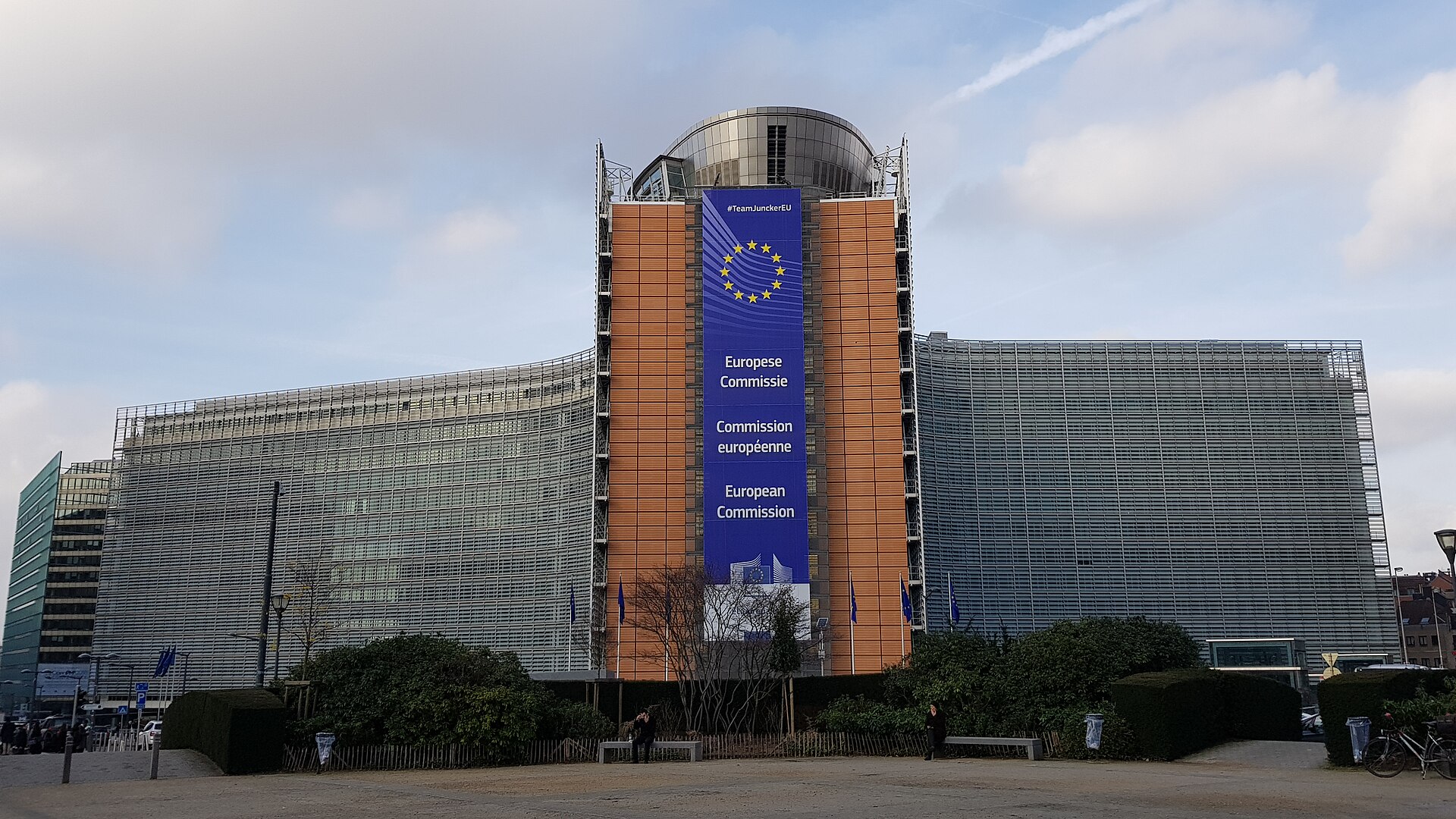
On October 27 the European Commission published its EU Framework for Climate Resilience, calling the summer of 2026 a “summer of truth”. Wildfires burned about 700,000 hectares in 2026, and the Danube, Rhine and Garonne fell to critically low levels. Climate extremes have cost the EU about €50 billion a year over the past four years, against €8.6 billion a year in the 1980s. Historically only about 25% of natural catastrophe losses in the EU have been insured. If that share held, around €37 billion of the yearly loss would sit uninsured.
Why It Is a Bank Problem
Physical damage can cut the value of the property securing a loan while the debt stays the same, and repair costs or lost income can weaken the borrower’s ability to pay. Banks face both at once: weaker collateral and a higher chance of default. The ECB and EIOPA said as much in a December 2024 joint paper, warning that inadequate insurance can slow recovery, raise banks’ credit risk and strain public finances.
Insurance is already part of the rules. The ECB said in February that Article 208(5) of the EU Capital Requirements Regulation requires banks to adequately insure immovable property used as collateral and to monitor that protection. But cover is patchy. The ECB noted that home policies commonly cover fire while hazards such as flooding are often excluded, and that policies usually run for shorter terms than mortgages. In March, EIOPA cited the German Insurance Association’s warning that property premiums could double within a decade because of climate claims, and said insurance may become unavailable in the highest risk areas, with consequences for mortgage access.
It is already showing up in lending. In July the ECB reported that physical risks to real estate had been a net tightening factor for housing loan credit standards in the euro area.
What Brussels Proposes
The Commission’s answer on insurance is a Climate Insurance Alliance of insurers, reinsurers, intermediaries, policyholders, risk modellers, investors, EIOPA and public authorities. By the end of 2027 it is due to deliver a first set of measures. These cover clearer policy information and faster payouts, including parametric cover that pays when a set condition is met. They also cover insurance that rewards prevention and more resilient rebuilding, and a check on whether there is enough capacity, including through reinsurance and catastrophe bonds. The Alliance will also explore public and private partnerships at national, regional or European level. Insurance Europe backed the plan and urged a focus on prevention and adaptation.
The scale of the gap is not in dispute. EIOPA says only about a quarter of extreme-event losses in Europe were insured between 1980 and 2024. In EIOPA’s 2025 Eurobarometer, only 17% of respondents said they held insurance against natural catastrophe damage to property. In agriculture the Commission puts average annual losses at €28.3 billion, with 20% to 30% insured, and warns that 2026 drought losses could reach €90 billion. It estimates Europe needs about €70 billion a year in adaptation investment. The European Investment Bank Group plans at least €30 billion in adaptation finance from 2026 to 2030.
What Is Missing
The framework announces no dedicated funding for the Alliance and no timetable for a public and private disaster insurance scheme. It calls for cover to stay available and affordable but does not define affordable. It wants climate risk reflected adequately in valuations and accounts, yet banks are not named among the Alliance’s participants, and no authority is given responsibility for the financial cost of uninsured property damage.
For mortgage lenders the protection gap is a credit problem, not only an insurance one. Brussels has given insurers until the end of 2027 to propose fixes, and has given the banks that hold the collateral no defined role in them.
