

Lebanon’s financial crisis began in 2019, and depositors are still waiting to recover their money. The argument now is over who takes the loss first, and whether anyone can pay for the answer.
What the IMF Wants
IMF staff set out the Fund’s position on September 18. They called the recent approval of amendments to the Bank Resolution Law a significant step forward, giving Lebanon a framework for the orderly resolution and liquidation of banks. But they asked for further changes to the separate Financial Stabilization and Deposits Recovery Law. The principle is that shareholders and junior creditors absorb losses before depositors, and that any repayment plan must leave a viable banking sector and sustainable public finances. IMF staff said the same after their February mission to Beirut.
What the Draft Promises, and What It Costs
The cabinet has approved the draft deposit recovery law. Depositors with up to $100,000 would be repaid over four years. Larger balances would become asset-backed securities maturing in 10 to 20 years.
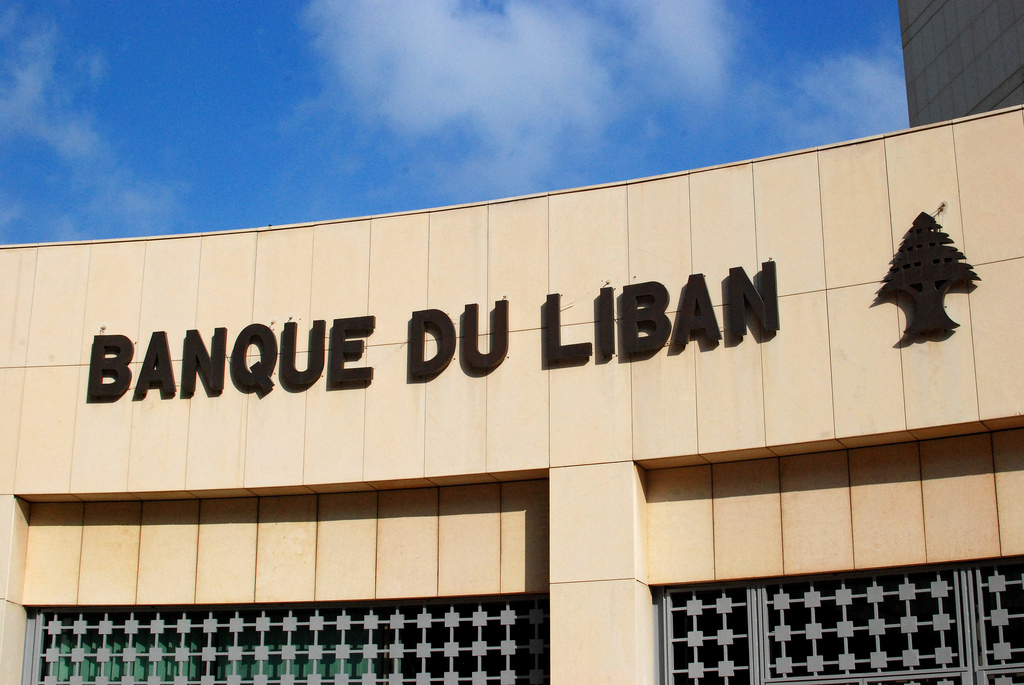
A February 2026 study from the American University of Beirut puts the cost of the first tier at about $20 billion between 2026 and 2030. Banque du Liban would carry 60%, about $12 billion, and commercial banks 40%. Set that against Banque du Liban’s gross foreign exchange reserves, which the same study puts at $11.8 billion. The authors judge the central bank’s share just financeable in normal conditions, assuming $3 billion of IMF disbursements, but warn that in a shock the reserves could run out quickly. They also find the central bank’s own revenues are not enough to carry the longer-dated securities, so the government would have to step in.
Where It Gets Stuck
That is where the IMF’s two conditions collide. Every dollar the state adds to the repayment plan raises public debt, and the World Bank’s August outlook leaves little room. It forecasts the economy will shrink 6.4% in 2026 after growing an estimated 4.2% in 2025, with inflation at 17.5%. It estimates renewed conflict has cut the growth outlook by 10.4 percentage points against a scenario without it. The study assumes IMF money that the Fund’s September statement does not confirm.
Surviving banks will also need fresh capital. How much depends on how losses are recognised and how the final law treats existing shareholders, and the IMF has not published a capital ratio or a timetable. A new investor is unlikely to commit before the old losses are allocated.
The draft law is still going through the legislative process, so none of its terms is a repayment guarantee. Lebanon has a loss hierarchy on paper and a repayment schedule its central bank can only just afford in good times. Until the law says who absorbs the rest, depositors are waiting on a promise, not a plan.
