

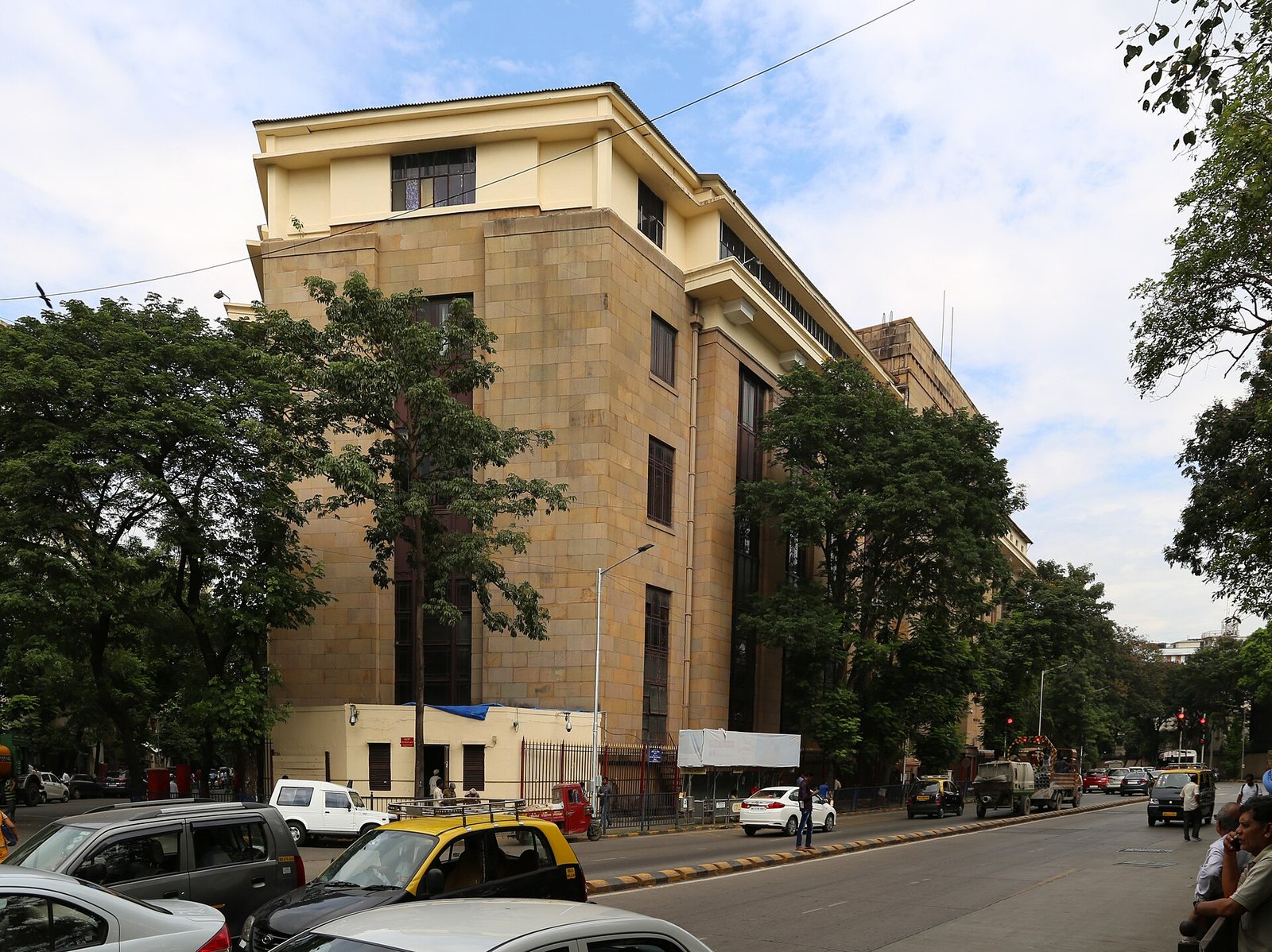
India has not licensed a new urban co-operative bank since June 2004. The Reserve Bank of India plans to resume licensing, but its draft rules are written for the largest credit societies, and only about three currently qualify.
The RBI published the draft guidelines on August 5, when Governor Sanjay Malhotra announced the move with the monetary policy review, and took comments until September 5. A discussion paper issued on January 13 came first. Final guidelines had not been issued by mid October.
Why Licensing Stopped
The RBI liberalised licensing in May 1993 and issued 823 licences by June 2001. It later found that 31 per cent of those banks became financially unsound within a short period. In March 2001, a run on Madhavpura Mercantile Co-operative Bank in Ahmedabad spread panic among urban co-operative bank depositors. In June 2004, the RBI stopped issuing licences, citing the sector’s deteriorating financial health.
The number of urban co-operative banks has since fallen from 1,926 at end March 2004 to 1,457 at end March 2025, with 163 mergers since FY05. By March 31, 2026, the deposit insurer had settled ₹18,931.40 crore of claims across 488 banks, most of them co-operative banks.
The RBI says consolidation and the closure of weak banks have improved the sector’s health, and that the Banking Regulation (Amendment) Act, 2020 strengthened its powers over these banks.
The Eligibility Rules
A credit society needs deposits of at least ₹10,000 crore and net worth of at least ₹300 crore, based on audited accounts as at March 31 of the previous financial year. Urban co-operative banks held ₹5.84 lakh crore of deposits across 1,457 banks at end March 2025, or about ₹400 crore per bank. The deposit threshold is about 25 times that average.
The society must also have existed for at least 10 years. It needs capital adequacy of at least 12%, net NPAs of no more than 3% and a positive trend over the previous five years. In the initial phase, only societies registered under the Multi-State Co-operative Societies Act, 2002 can apply. No member may hold more than 5%, and no director may hold an executive role.
Who Qualifies
Indian Cooperative identified three institutions above the deposit threshold. They are Buldana Urban Co-operative Credit Society, Lokmanya Multipurpose Co-operative Society and Repco Bank. Despite its name, Repco is registered under the Multi-State Co-operative Societies Act and is not an RBI licensed bank.
Buldana reported deposits of ₹13,851 crore at March 31, 2025. Repco reported ₹10,583 crore at March 31, 2024.
Laxmi Das, president of the National Federation of Urban Co-operative Banks and Credit Societies, told its annual meeting in New Delhi that only around three credit societies meet the requirements, which he called highly stringent.
Conditions of a Licence
The business plan must set out how the society will separate and transfer all activities outside banking. Buldana runs 452 warehouses and 10 cold storages, which would fall under that requirement.
The society would also move from the Ministry of Cooperation’s liquidity and investment norms to the RBI’s CRR and SLR rules. Its bylaws must bar other co-operative societies from membership, and its directors may not sit on the board of another bank or credit society.
Applications go through the RBI’s PRAVAAH portal. Each needs a no objection certificate from the Central Registrar of Co-operative Societies and a resolution backed by two thirds of shareholders, in number and value. After screening, due diligence on directors and an inspection, a committee of two deputy governors and two executive directors evaluates the application. The Committee of the Central Board decides on approval in principle. A rejected applicant can appeal to the Central Board within a month, and must wait three years before applying again.
Approval in principle is valid for 18 months. In that period the society must put in place IT and cyber security systems, complete core banking implementation, set up board committees and a board of management, and amend its bylaws. Once licensed, it has six months to start banking. The RBI says it will license on a very selective basis and may not license every applicant that meets the criteria.
What Changes
The main gain is for depositors. Deposits in co-operative credit societies are not covered by DICGC insurance, while deposits in a licensed bank are. Buldana alone holds ₹13,851 crore. A licence would bring the largest of these deposit pools under RBI supervision and deposit insurance.
The effect on credit supply will be small. The sector’s combined balance sheet grew 4.4% in FY25, with advances up 6.7% and deposits up 5.2%. Two or three conversions will not move those numbers much. What they change is who supervises the money.
The RBI has set the bar so that about three institutions can apply. Given ₹18,931.40 crore of settled claims across 488 banks, that caution is justified. The policy will now be judged on whether the qualifying societies apply and how the first converts perform. If Buldana or Lokmanya applies and runs a clean bank, the RBI will have room to widen access in later phases. If none applies, the reopening will exist only on paper.

