

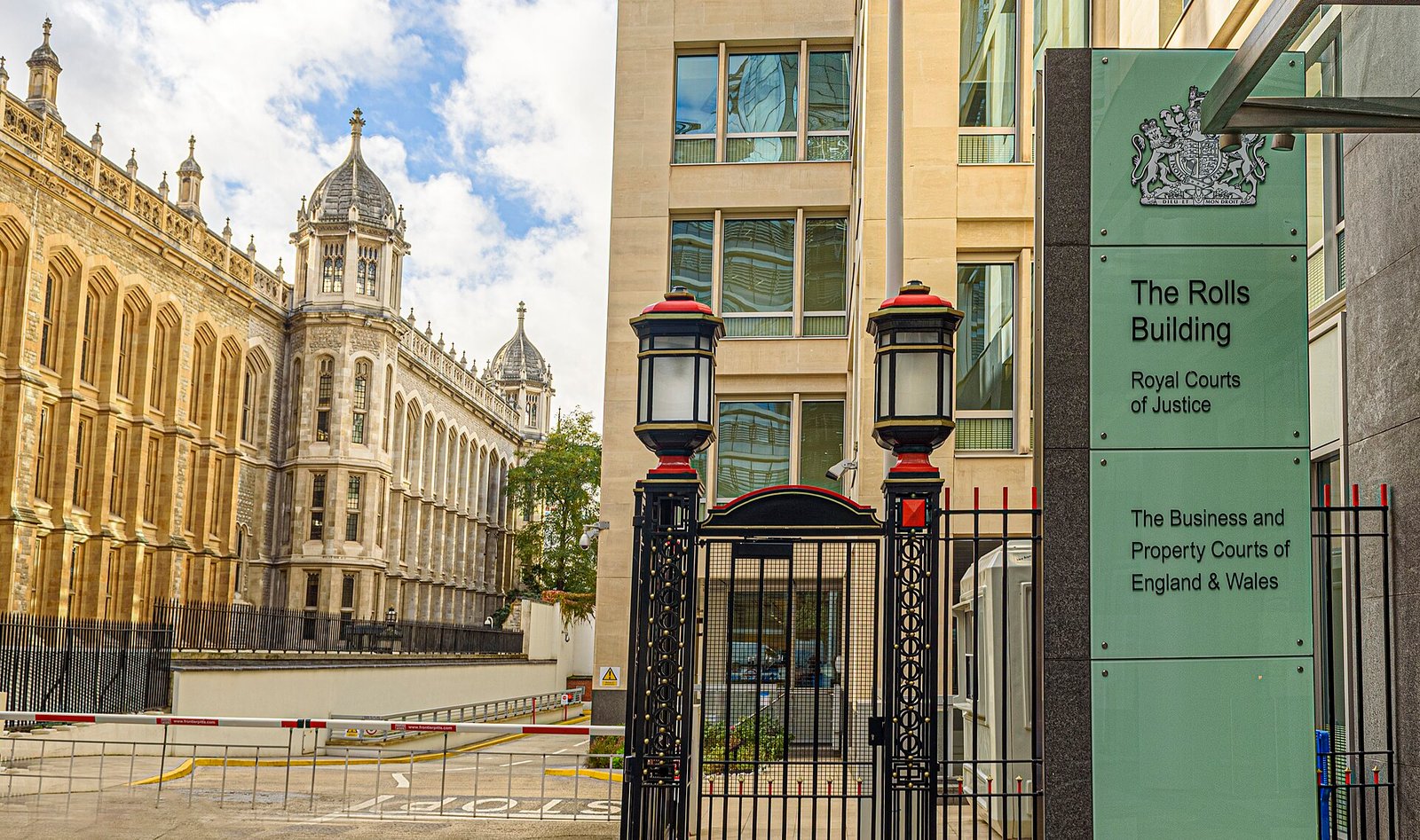
An English court has ordered Banco Santander to pay out US$90.8 million on demand bonds backing the Temane power project in Mozambique, according to Globeleq, the project’s majority owner.
The claim was brought by Central Térmica de Temane, S.A. (CTT), the project company majority owned by Globeleq. Globeleq says the Commercial Court of the English High Court gave judgment on October 13, 2026, finding Santander has no defence to CTT’s claims under two autonomous on demand bonds that support construction of the 450 MW plant. Valid demands came to US$90,796,078.66, the release says.
Santander relied on an interim injunction TSK had obtained from a Spanish court. Globeleq says the English court threw that out, finding Santander had to pay into CTT’s designated account in Mozambique, so “Mozambique is therefore the place of performance.” According to the release, Santander made no effort to get the Spanish injunction lifted.
Santander also asked for a stay of enforcement and for more time to pay. Both were refused, Globeleq says, with the court finding there had already been “very substantial delay.” Globeleq puts the money as unpaid for more than 18 months.
“This is a clear and important judgment,” said Globeleq CEO Jonathan Hoffmann. He added: “The purpose of these on-demand bonds was to provide immediate and reliable financial protection for the project.” Globeleq wants Santander to honour the judgment and pay up.
All of this comes from the winning side. The release has no comment from Santander, says nothing about an appeal and doesn’t set out Santander’s arguments beyond the ones the court is said to have rejected.
Globeleq is owned by British International Investment, the UK’s development finance institution, and Norfund. It says it generates 1,660 MW across 17 plants in seven countries, with another 665 MW under construction.
Herald View
Demand bonds run on one rule: pay now, argue later. If Globeleq’s account stands, Santander tried to flip that by sheltering behind a Spanish injunction it never tried to lift, and London said no. The test now is whether Santander pays or appeals, and whether other issuing banks read this as a warning or as licence to drag things out.

