

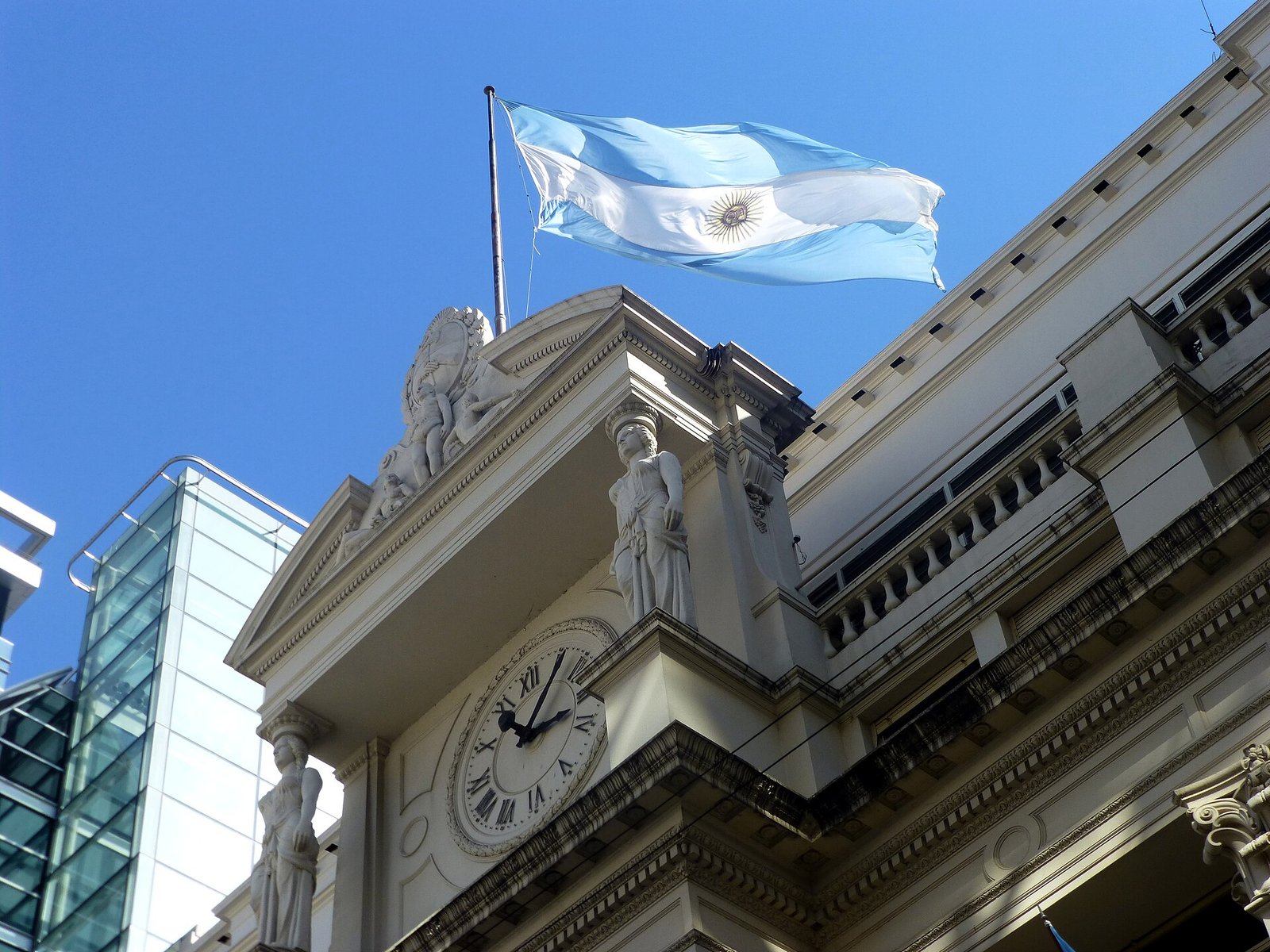
Kredete, a real-time cross-border payments platform, has been granted Virtual Asset Service Provider (VASP) registration by Argentina’s securities regulator, the Comisión Nacional de Valores (CNV), under General Resolution 1058, alongside Payment Service Provider (PSP) authorization from the country’s central bank, the Banco Central de la República Argentina (BCRA).
Together, the two licenses let Kredete offer regulated crypto exchange, custody, and transfer services, as well as compliant payment account services, directly to users and businesses in Argentina.
Founded in 2022 by Adeola Adedewe, Kredete runs a platform built on stablecoin infrastructure that lets consumers, businesses, and financial institutions move, convert, hold, and settle money globally in real time. The company already supports payments to more than 60 countries, serves over 6.5 million users, and processes more than $18 billion in annualized payment volume, having raised $24.75 million in total funding to date.
Argentina is one of the fastest-growing crypto adoption markets in Latin America, and gaining full regulatory licensing there positions Kredete to serve that demand directly, both for everyday remittance users and for the wider diaspora sending money into and out of the country.
Victoria Ukana, Kredete’s Director of Compliance, framed the dual licensing as a deliberate choice to build within local regulatory frameworks rather than route around them, positioning it as central to how the company earns user trust in a new market.
“Holding both VASP and PSP authorizations in Argentina allows us to support both digital asset and traditional payment services under the oversight of the CNV and BCRA. We don’t cut corners to enter new markets faster; we do the work to operate within the appropriate regulatory framework, so our users can trust how their money is handled,” Ukana stated.
The company says the milestone advances its broader goal of building fully licensed, locally compliant financial infrastructure in every market it operates in, extending the same regulatory standing to Argentine users that it holds across the more than 60 other countries it supports.
For everyday users in Argentina, the licensing itself will not change what using Kredete actually feels like. Sending or receiving money should work exactly the same as before. What does change is the legal footing underneath it. That activity now sits under the direct oversight of Argentina’s securities and banking regulators, rather than through cross-border arrangements. For a market where crypto adoption is already high but formal oversight has lagged, that shift matters more to regulators and financial partners than to the end user swiping a card or sending a transfer home.
Herald View: Getting licensed market by market is slower and more expensive than operating through cross-border workarounds, but it’s also the only path that survives regulatory scrutiny long-term. Kredete’s bet is that trust, especially in a market like Argentina, where currency instability already makes people cautious about where they park money, is worth more than speed. The real test isn’t this one license. It is whether Kredete can keep this up across all 60-plus markets it operates in. One shortcut anywhere would undo the whole compliance-first story it has been telling everywhere else.

