

Three big financial companies announced job cuts in four days in October. They all talked about AI in different ways.
NAB was first, on 20 October. It plans to cut up to 2,500 internal roles, about 6% of its workforce, in FY27, and up to 1,500 of those before the end of 2026. The bank said it wants a simpler operating model and a workforce lined up behind growth and technology work for customers, and that tougher economic conditions were a factor. AI doesn’t come up anywhere in the announcement. It just mentions rapid technological change. NAB expects a pre-tax restructuring charge of about $300m in FY27, against about $80m in each of the two years before. CEO Andrew Irvine said there will be “no material impact to customer-facing banking roles”. He said the cuts are mostly in corporate functions.
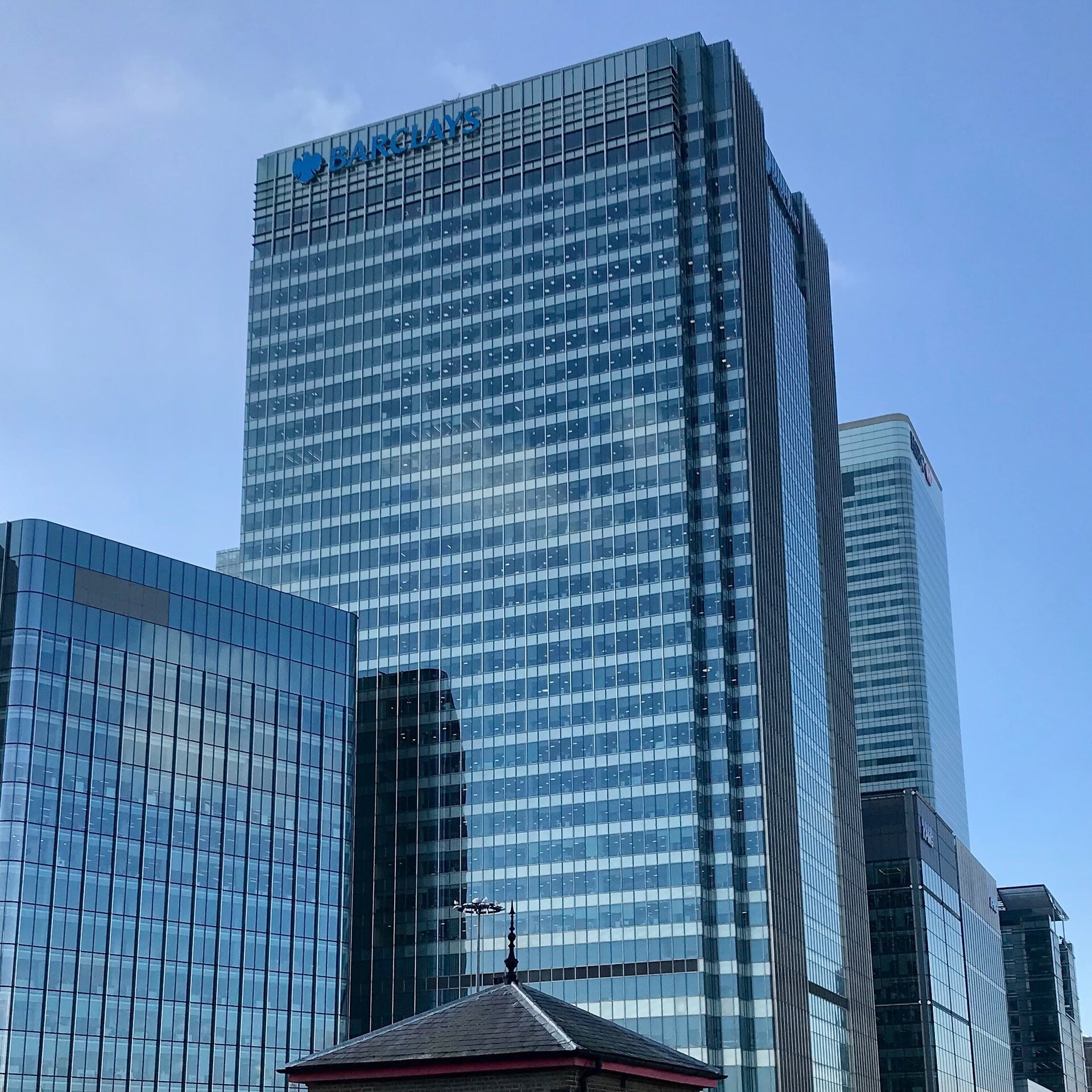
Barclays came next on 22 October, with its third quarter results. Anna Cross said the bank’s cost cutting means about 5,000 fewer full-time staff, roughly 5% of employees. Around 60% of the cuts are in support functions, including fewer developers. She also said AI makes Barclays staff more productive. The bank spent £201m on structural cost cuts in the quarter. It’s spending another £0.3 billion in the second half to bring costs down further, and expects more than £1.1 billion of gross efficiency savings in 2027. CEO C.S. Venkatakrishnan said: “AI is the icing on the cake, not the cake.”
American Express reported on 23 October. It booked a $336 million pre-tax restructuring charge, partly paid for with the gain from selling its stake in Global Business Travel Group. On the earnings call, CEO Stephen Squeri said this would mean cutting about 5% of positions worldwide. He said the company had to become “a more agile and efficient organization”. He also said companies everywhere are using AI to be more productive and automate work, and Amex is doing the same.
What the survey says
On 26 October the Bank of England and the FCA put out their fourth survey on AI in UK financial services, with 196 firms taking part. The authors say it only covers the firms that responded, not the whole sector. The 2024 survey had different firms and different questions, so comparisons need care.
With that in mind, 86% of firms said they use AI, up from 75% in 2024. Every bank that answered uses it. Generative AI made up 56% of the systems reported, and operations and IT about 31%. Firms said the biggest benefit right now is efficiency and productivity, but on average they scored it only 2.95 out of 5. The main problems outside regulation were getting AI to work with existing processes (23%) and old systems (22%).
AI agents are common, but firms don’t trust them with much yet. 80% have agents running and another 14% plan to within a year. 46% let agents act within set limits, and just 2% give them broad freedom. Even counting their plans, no more than 9% expect agents to approve or decline customer outcomes. The same goes for placing trades, making payments or changing limits.
A lot of this AI comes from outside suppliers. They provide 39% of the systems reported and 53% of the ones firms see as most important. The three biggest cloud and compute providers account for 79% of reported relationships. 77% of firms say they understand their own important systems well, but only 24% say that about systems bought in. 81% depend on vendor assurances and contracts. The survey doesn’t say anything about jobs.
Barclays says AI is part of the reason. NAB talks about simplification and technological change, and Amex about being more agile. None of them has said how many jobs AI is actually replacing. Until they do, the numbers can’t really be compared, and all we have is each bank’s own story.
