

SQN Capital Management and Jeremiah Silkowski, the last partner left at the New York firm, have settled with the SEC and are getting out of investment advice for good. A receiver picked by the court will now wind down what’s left of its equipment leasing funds.
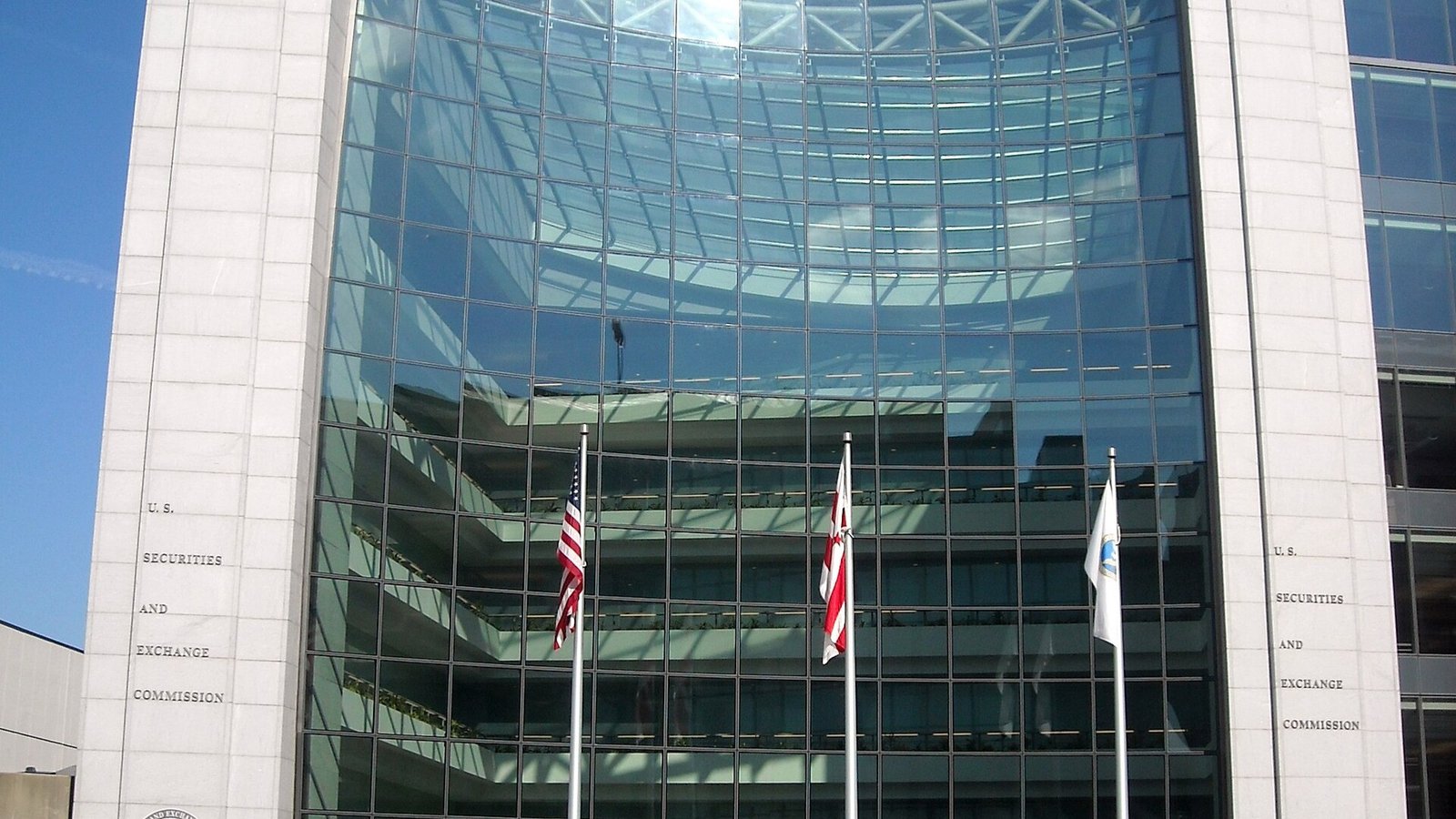
The SEC sued on September 18, 2026 in federal court in Manhattan. Its complaint says that from at least 2019 through 2025, SQN and Silkowski repeatedly broke their fiduciary duties to four funds, ignoring fund documents and pumping up net asset values. It also accuses Silkowski of misleading investors about how the liquidation was going, and calls the pair recidivists. They didn’t admit anything but agreed to let a receiver sell off the assets and pay investors.
SQN tells a different story. It says the complaint never accuses it of misusing investor money or profiting personally. The funds held equipment leases, equipment backed loans and other asset financing. Investors in the two biggest funds got back 51% to 65% of what they put in, early liquidation payouts included. What’s left is mostly residual stakes in things like marine vessels that don’t produce much cash until someone buys or refinances them.
The way SQN tells it, COVID froze the wind down and it stayed stuck for more than five years while the firm paid to keep the funds running. It kept unit values steady because it expected exits that never came through. As proof, it points to a payout of almost $20 million in 2020 and a deal to sell the assets to an investor group that fell apart.
“Like investors, SQN wants these funds liquidated, and the settlement is a path to this end,” Silkowski said.
SQN will write off whatever the funds owe it and work with the receiver to close them out.
Herald View
SQN wants this read as a firm that ran out of money. The receiver will show what actually matters: what these funds are worth. The SEC alleges Silkowski did every valuation himself, without the independent expert investors were promised. Leftover stakes in ships are just the sort of asset where the number on paper and the sale price split apart. Anyone holding units should assume the 51% to 65% already paid back is close to all they’ll see. If the receiver’s first sales come in far below SQN’s marks, the SEC’s valuation case proves itself.

