
Three central banks over two days surprised markets and economists this week with unexpected interest rate decisions, each flashing warning signs over growth in the coming months and stirring uncertainty over the path of policy.
New Zealand cut its key rate by 50 basis points Wednesday, twice as large as most analysts had forecast, on economic activity and business sentiment that came in worse than expected.
Most Read from Bloomberg
- The Long Comeback of the Erie Canal
- Mapping a Way Out of the US Housing Affordability Crisis
- The Secret to Vancouver’s Public Transit Ridership Recovery
- London’s ‘Superloop’ Buses Seek to Speed Suburban Commutes
- Billionaire Caruso Says He No Longer Builds in LA Due to Prices
Thailand stood pat later in the day, even though poor economic growth prospects, a strong currency and a dovish new governor sent most economists expecting a cut. Citigroup Inc. economists called it a “dovish pause” as more cuts are expected later this year.
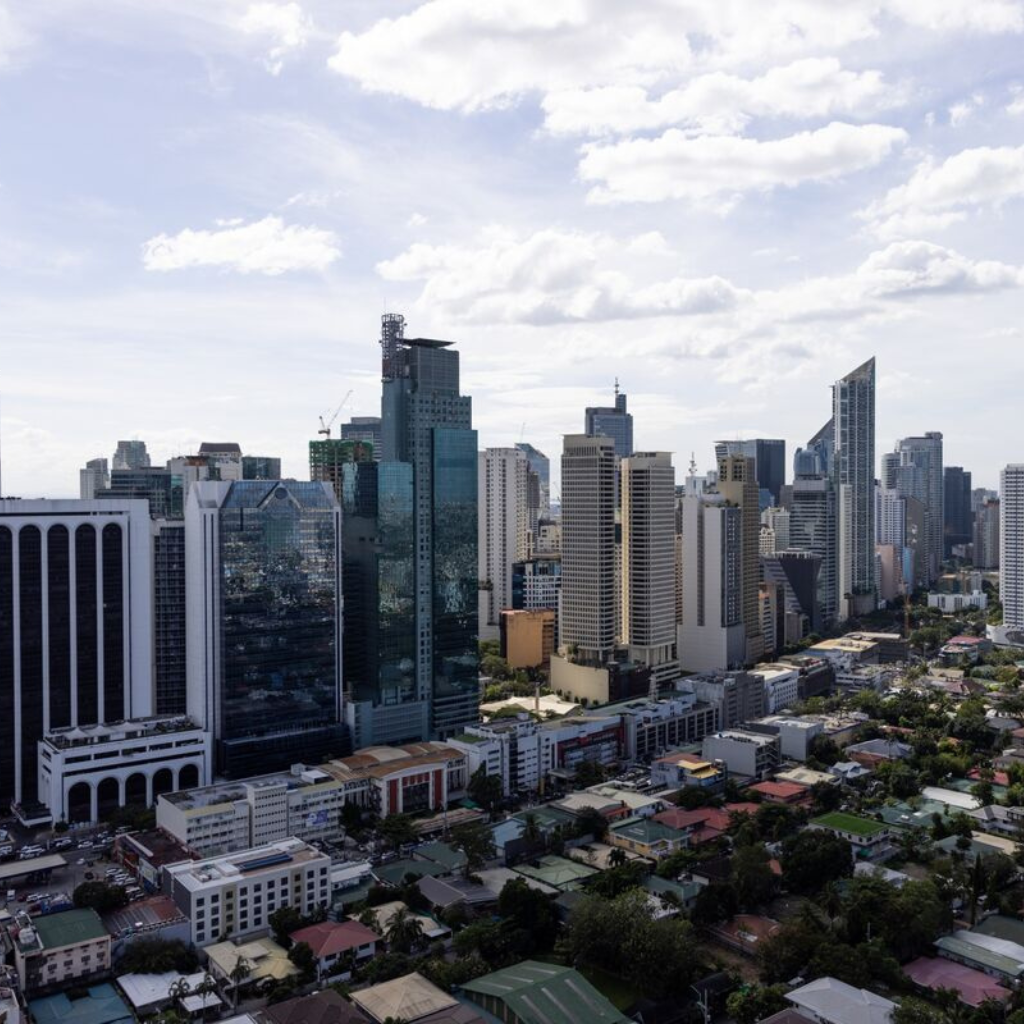
Then the Philippines central bank on Thursday chopped interest rates by 25 basis points, against wide expectations for a hold, as a corruption scandal around government contracts saps confidence.
Taken together, they underscore growing domestic economic and market uncertainties exacerbated by President Donald Trump’s trade and international policies since returning to office in January. His tariffs on trading partners have upended longstanding ties and roiled export and growth prospects in Asia, the world’s manufacturing hub.
“The key theme for Asia-Pacific central banks is that of downside risks to growth arising in part due to a more hostile trade environment,” said Eugene Leow, a senior rates strategist at DBS Group Holdings Ltd. in Singapore.

In Indonesia, the central bank also made a surprise rate cut last month to make an “all-out, pro-growth” push, aligning with President Prabowo Subianto’s objectives. Meantime, the Reserve Bank of India left its policy rate unchanged last week in a decision that many economists said was too close to call.
While New Zealand, Thailand and the Philippines face similar risks over economic and trade, as well as benign inflation, they do have their differences.
Thai inflation is running below target and several factors — from high household debt to domestic political crises — have weighed on growth. The economy is also struggling with a baht that’s strengthened more than 6% over the last six months, damping tourism and exports. It rose further after the surprise hold.
The Philippines central bank cited a corruption scandal in its decision to cut rates. Widespread misuse of billions of dollars earmarked for flood-control projects has hurt investor confidence and is likely to curb government spending on large projects.
“The scandal is so painful,” Philippine central bank chief Eli Remolona said in a CNBC interview Friday, adding it will likely result in lower government spending and business sentiment. Analysts at Barclays Plc said in a note that they now expect 75 basis points of cuts over the next three meetings, seeing the bank’s terminal rate closer to 4%, rather than an earlier estimate of 5%.
“We have more wiggle room than we thought when it comes to the policy rate,” Remolona said.
In New Zealand, the economy has been slow to recover from a 2024 recession. The country’s finance chief, Nicola Willis, told Bloomberg Television on Friday that the bigger rate cut “was Reserve Bank doing its job of reacting to data” from the previous quarter, which was worse than expected. “The bank is reacting accordingly.”
New Zealand’s kiwi fell by 1% versus the greenback on Wednesday following the surprise jumbo cut, while the Philippine peso extended losses by as much as 0.6% on Thursday.
“Thailand and Philippines also have to deal with domestic political uncertainties that further weigh on economic sentiment,” DBS’ Leow said. “The RBNZ may be getting a bit impatient with waiting for the economy to stabilize and hence want to take policy settings clearly below neutral.”
Across the region, growth is likely to be slightly lower than last year, but still fairly resilient. A report Thursday from the ASEAN+3 Macroeconomic Research Office — set up after the 2008 global financial crisis to monitor Southeast Asia, plus China, Japan and South Korea — forecasts 4.1% growth this year, up from 3.8% seen in July, although slightly down from 4.3% last year.
The head of the International Monetary Fund, which will release its revised global outlook next week, said Wednesday that the world has shown resilience to an initial wave of trade disruptions, but warned against complacency because financial markets and growth can sour quickly.
Many economies have performed “better than feared, but worse than we need,” said Managing Director Kristalina Georgieva.
—With assistance from Marcus Wong, Suttinee Yuvejwattana, Tracy Withers, Andreo Calonzo, Ditas Lopez, Swati Pandey and Neil Jerome Morales.